
Acoustic Commissioning at United Downs Geothermal Power Station
Read about how acoustic commissioning at United Downs Geothermal Power Station supports efficient, compliant and sustainable geothermal energy generation.
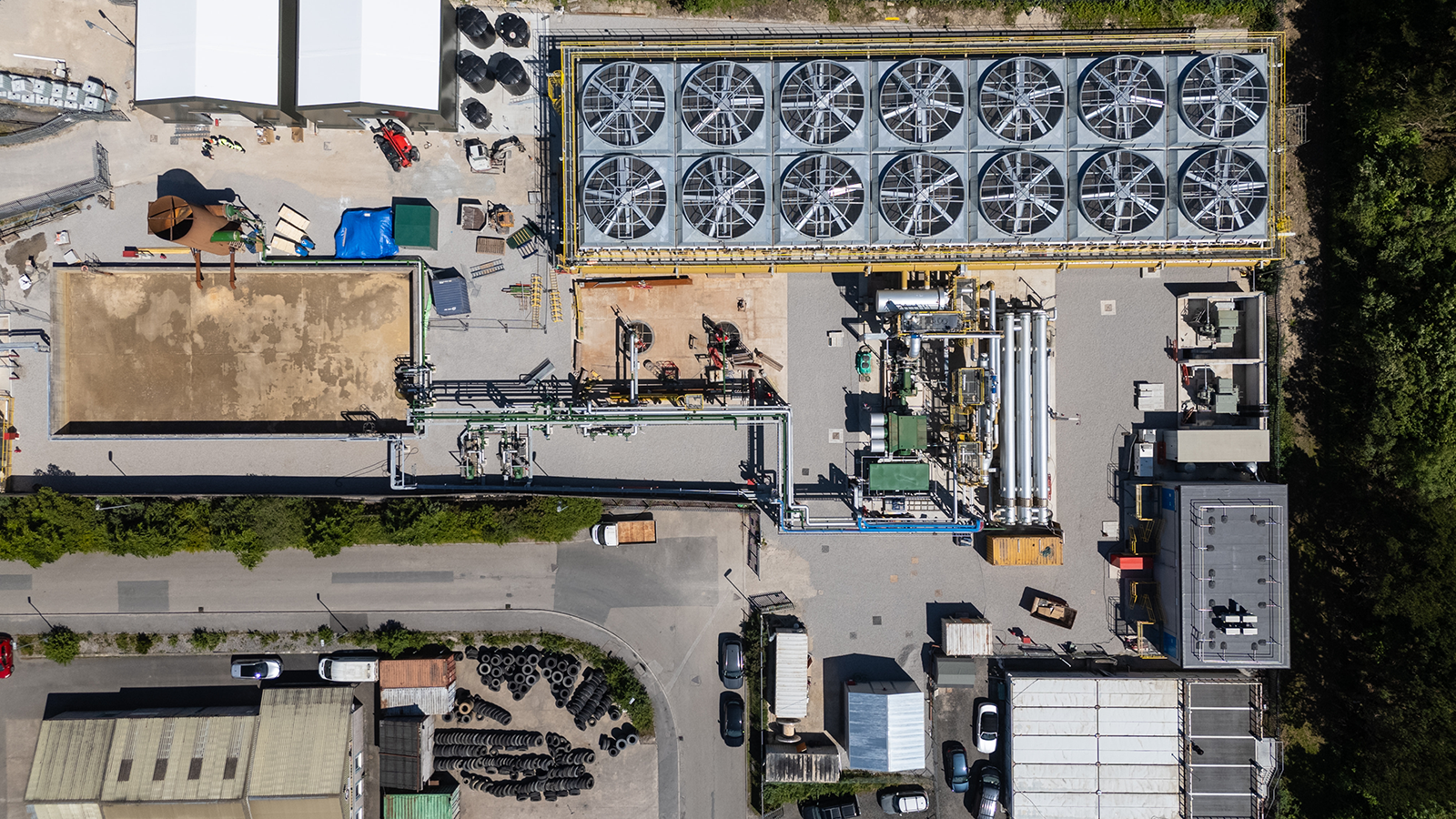
Acoustic commissioning at United Downs Geothermal Power Station helped verify that the facility could operate within its environmental noise requirements before entering full commercial operation. Clement Acoustics provided commissioning noise surveys, equipment assessments and operational noise monitoring to support regulatory compliance and responsible geothermal energy generation in Cornwall.
What Is Acoustic Commissioning?
Acoustic commissioning is the process of measuring and assessing the noise generated by a facility before or during the early stages of operation.
The purpose is to confirm that installed plant and equipment perform as expected and that the site complies with:
- Planning consent conditions
- Local authority noise limits
- Project-specific acoustic design criteria
- Relevant environmental noise guidance
For renewable energy and industrial developments, acoustic commissioning provides evidence that operational noise has been considered, measured and appropriately controlled.
It can also identify equipment or operating conditions that require further investigation before a facility becomes fully operational.
Key Aspects of Our Acoustic Process
1. Planning and Research
We review the relevant planning conditions, approved noise assessments and project-specific acoustic criteria to establish the applicable compliance requirements.
3. Source Noise Measurements
Individual items of equipment are assessed, to verify noise emissions and to identify characteristics such as tonality, intermittency, impulsivity or low-frequency noise.
5. Technical assessment and compliance review
Measurement data is analysed alongside plant operating conditions, meteorological conditions and relevant guidance, including BS 4142 where appropriate.
2. Background noise levels
Background noise levels will be determined based on design stage noise surveys or, when not avaliable, via measurements undertaken at the commissioning stage.
4. Monitoring at sensitive receptors
Attended measurements are taken at the nearby noise-sensitive receptors with the item under commissioning in its operating duty and whilst it is not operating. Measurements typically range for 15 minutes to 1 hour.
6. Reporting
We prepare a detailed acoustic commissioning report setting out the methodology, findings and compliance conclusions, together with practical mitigation recommendations where further noise reduction is required.
Why Is Acoustic Commissioning Important for Geothermal Power Stations?
Unlike many renewable technologies, geothermal power provides continuous, low-carbon electricity 24 hours a day. However, geothermal facilities contain a range of equipment capable of generating operational noise, including:
- Air-cooled condensers
- Cooling fans
- Pumps
- Hydraulic systems
- Transformers
- Auxiliary mechanical plant
During commissioning, noise measurements are taken of key noise generating systems to understand the site’s “acoustic signature” and operational compliance.
Early identification of any acoustic issues allows practical mitigation measures to be implemented before operations have commenced.
Identifying Opportunities for Noise Reduction
Acoustic commissioning is not solely about demonstrating compliance—it also provides an opportunity for noise reduction where necessary.
Where mitigation is required, potential options may include:
- Acoustic enclosures
- Silencers
- Fan speed optimisation
- Pipe and duct lagging
- Vibration isolation
- Operational adjustments
These solutions help reduce environmental noise emissions while maintaining plant efficiency and reliability.
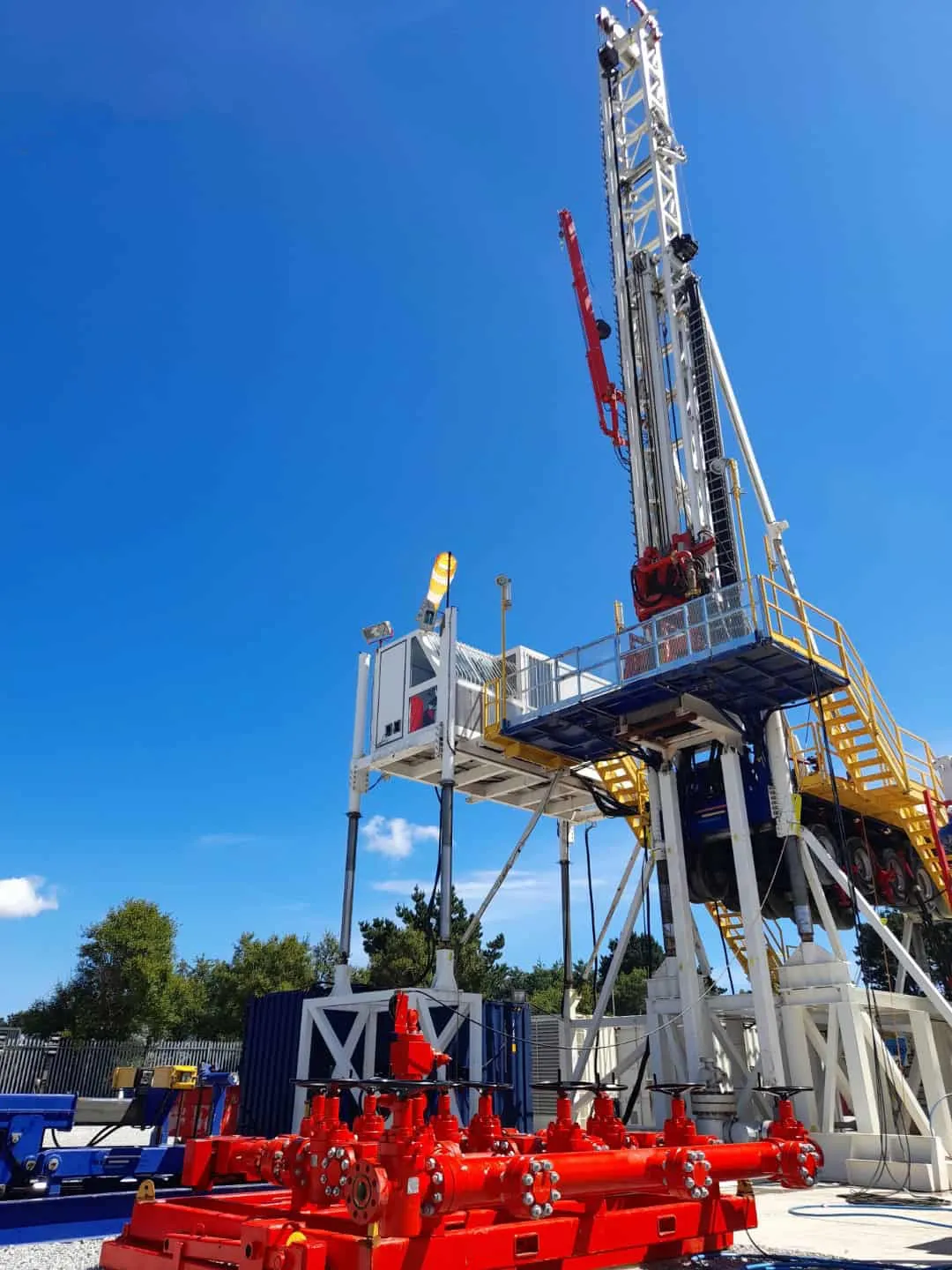
Supporting Renewable Energy Projects Across the UK
As investment in renewable energy infrastructure continues to grow, acoustic commissioning has become an increasingly important part of project delivery.
Whether supporting geothermal developments, wind turbine developments, battery energy storage systems (BESS), solar farms or other industrial infrastructure, acoustic consultants help ensure projects achieve regulatory compliance and successful commissioning.
By combining detailed environmental noise surveys, technical analysis and practical mitigation advice, acoustic commissioning helps renewable energy projects operate sustainably while maintaining positive relationships with neighbouring communities.
Looking for Acoustic Commissioning Services?
Our experienced acoustic consultants provide commissioning noise surveys, operational noise assessments and environmental compliance monitoring for renewable energy, industrial and infrastructure projects throughout the UK.
Whether your project requires commissioning support, BS 4142 assessments, environmental noise monitoring or specialist acoustic advice, we can help deliver practical, technically robust solutions that support successful project delivery.
Other Acoustic Projects and Posts
Noise and Vibration Assessment at Stansted Airport: Managing Growth Responsibly
As one of the UK's busiest airports, Stansted Airport plays a critical role in connecting London and the East of England to the rest of the world. Clement Acoustics with Farrans Construction has been engaged to provide acoustic, noise and vibration design input for...
Ensuring Compliance: Noise Impact Assessment for Air Source Heat Pumps in Westminster and Kensington & Chelsea
As urban areas like the City of Westminster and the Royal Borough of Kensington and Chelsea continue to adopt sustainable technologies lead by the government, air source heat pumps (ASHPs) have become a popular choice for energy-efficient heating. However, planning...